Every element the theme styles, on one page, so a change can be eyeballed at a glance. The French version of this page exercises the language selector.
Headings
Third level
Fourth level
Text
A paragraph with bold, italic, inline code, a link to galette.eu
and a footnote-free sentence long enough to wrap on a narrow screen so the
justified alignment can be judged honestly.
A blockquote, for the notes and warnings a plugin documentation always ends up needing.
Lists
- first item
- second item, with a nested list:
- nested one
- nested two
- third item
- numbered
- numbered again
Download badges
Code
$ cd /var/www/html/galette/plugins
$ wget https://galette.eu/download/plugins/galette-plugin-fullcard-2.2.1.tar.bz2
$ tar xjvf galette-plugin-fullcard-2.2.1.tar.bz2
Table
Wide tables scroll inside their own container, so the page itself never scrolls
sideways — wrap them in <div class="table-wrapper" markdown="1">.
| Setting | Default | Description |
|---|---|---|
maintainer |
community |
Which pill the header shows |
plugin.archive |
— | Base name of the release archive |
plugin.min_galette |
— | Minimum supported Galette version |
Admonitions
Write one as a blockquote whose first word is bold. Nothing else is needed, and that is the point: a page Weblate rewrites can hold no Liquid tag, since a tag a translation breaks fails the whole build.
> **Warning** — check the usage policy of the provider you choose.
Warning — Check the usage policy of the provider you choose. Most of them are run by associations or by volunteers, and they set conditions on the traffic they accept.
Note — The provider setting appeared in version 2.3.0.
Todo — Document the second map layer.
The word carries the colour, and it is matched in every language the theme knows, because it is part of the translated paragraph:
Avertissement — Vérifiez la politique d’utilisation du fournisseur que vous choisissez.
A word no catalogue lists still gets a box, only a neutral one, so a translation nobody anticipated degrades instead of losing its styling:
Attention — a word the catalogues do not carry, so this keeps the neutral box instead of losing its styling.
A quotation that merely contains bold text stays a quotation — which is why the
test lives in the script and not in a CSS :has(), where :first-child would
match this one too:
This is an ordinary quote, with bold text in the middle.
Images
An image the content column has to shrink becomes clickable, and opens at its
full size. Nothing is written in the Markdown to ask for it: the script compares
the picture’s natural width to the width it is given, which is the automatic
equivalent of the :scale: the Sphinx manual relies on.
The same file is used twice here on purpose, so the viewer has two images to move between — arrows, a counter, and the arrow keys.

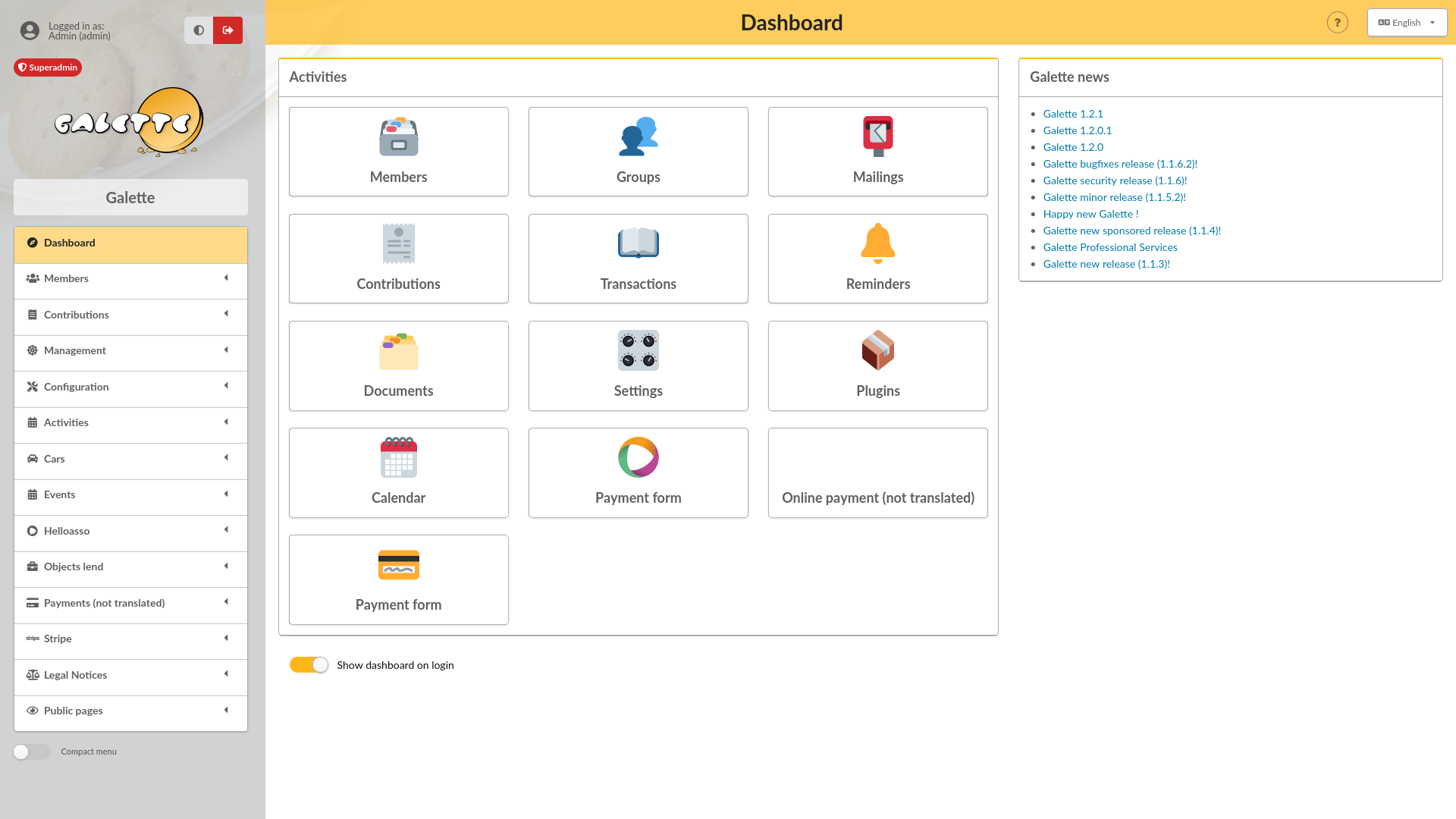
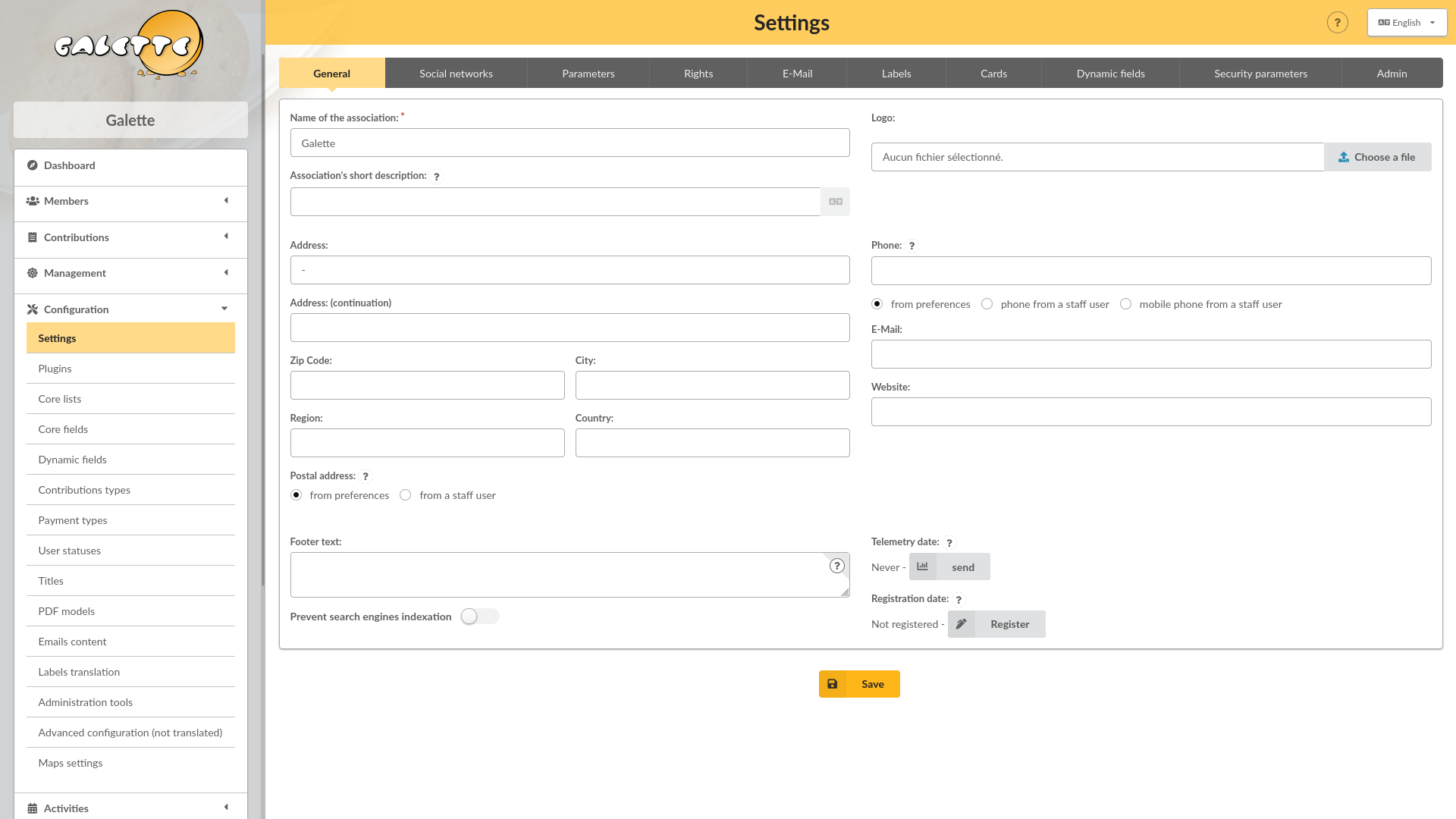
The caption in the viewer is the alt text, which Weblate already translates. An image small enough to be shown whole gains nothing from a viewer, so it is left alone — this one is 208px wide and stays an ordinary image:

Horizontal rule
That’s all of it.